

Aesthetic
Ooln pairs the density of a Bloomberg terminal with the retro sound of HBO’s Industry. The feel is sharp and focused, like being at the desk of a hedge fund.


The story behind my stake in Ooln.
It was the dead of January in 2024 when my friend Omar called and asked if I wanted to come to Boston for a hackathon. He gave me about four days to decide, which wasn’t much of a decision at all. Omar graduated from MIT, and with the hackathon hosted by both Harvard and MIT, I figured there are only so many times in life someone invites you into rooms like that.
So I packed a duffel bag and caught a 6 a.m. Delta flight from Charlotte to Boston.
What Omar neglected to mention was that this was no ordinary hackathon. It was an accelerator. By the time I understood what I had walked into, I was sitting in a lecture hall in Cambridge, surrounded by brainiacs, helping Omar and his cofounder prepare to ask VCs for millions of dollars.
I had come to see MIT and Harvard. Somehow, I was now part of a startup.
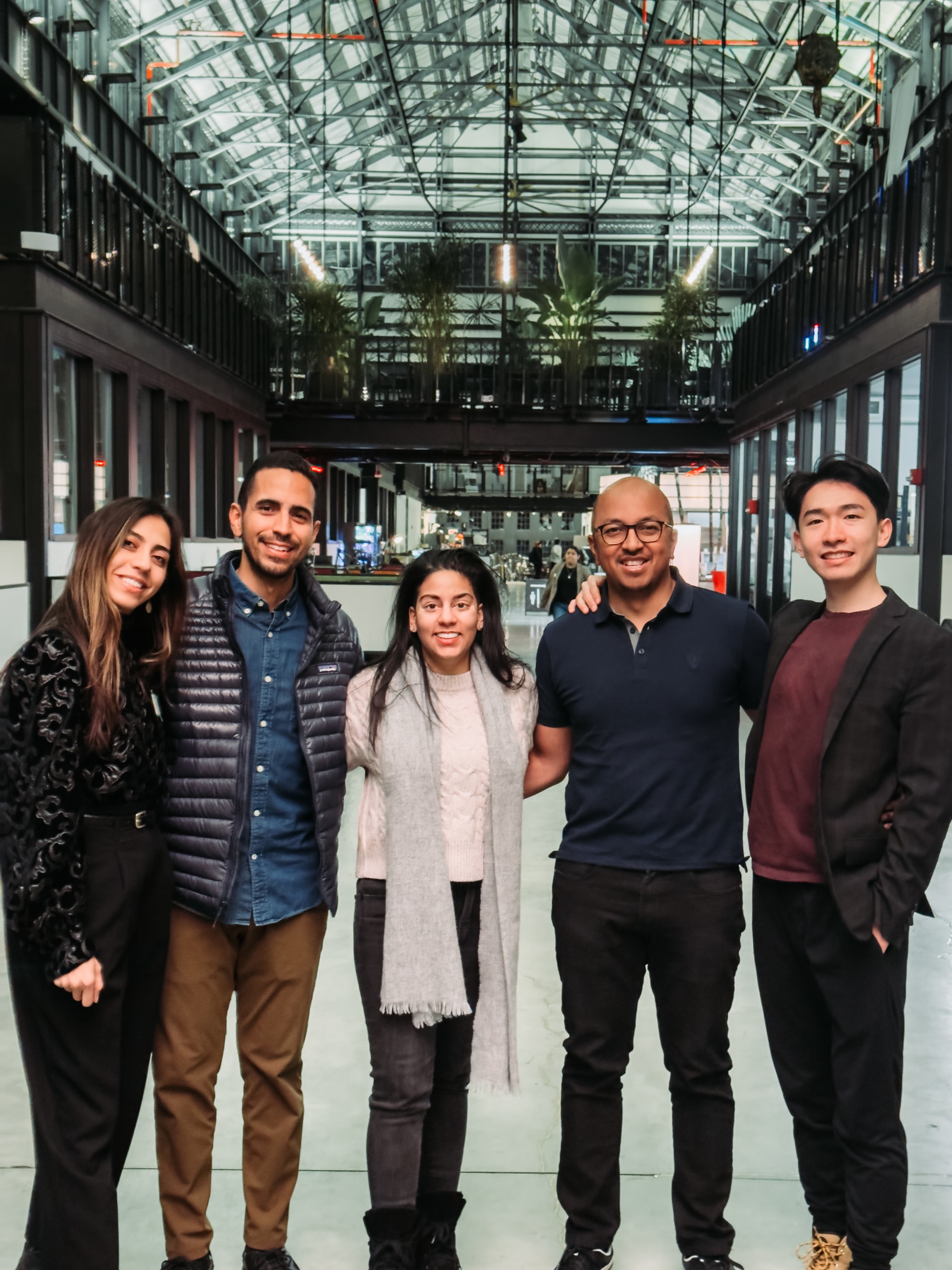
The first problem wasn’t the product. It was the story. Ooln had ambition and no shortage of ideas. I was brought in for design, but my role quickly expanded into marketing. I had to translate what the founders saw in their heads into a story people could follow and investors could believe enough to fund.
That story kept changing as Ooln searched for the right market. It began as a therapy coach for student athletes, shifted into an HR wellness product, and eventually became a financial coaching product.
The pivots revealed a less charming truth: capital is not always drawn to the problems most worth solving. Education is tangled in bureaucracy, health is bound by regulation, and social impact rarely fits the return profile investors find persuasive.
Ooln changed its occupation, but not its temperament. Whether the subject was wellness or trading, it was still trying to help people think clearly under pressure.
A whole year went by with no funding to show for it. By January 2025, the founders decided to move Ooln into fintech. I had encouraged the move because I knew there was money there, and it was a world I understood.
I had followed Wall Street since I was fifteen and had been trading for years. Weirdly, I just like looking at charts. The new direction was a chance to build the product I wished I had as a novice trader.
When Omar asked me to become an angel investor, I didn’t have much money to spare. Still, I put in what I could. If we hit it big, we hit it big.
The investment changed the nature of the relationship. Advising was no longer my only stake. I owned part of the outcome, which made its success feel less theoretical.
Three things can be true at once.
Room to experiment
Ooln’s audience is made up entirely of computer literate men, the kind likely to explain Web3 infrastructure at a bar without being asked. They’re rarely the last to board a hype train. If something is obscure, they’ll click until it makes sense. That lets the interface ask more of them. Some of it works. Some of it has no business working, but it does.
A product for beginners
Technical confidence doesn’t make them confident traders. Trading comes with charts, regulations, and endless financial products, but more information doesn’t always lead to better decisions. I had to decide what belonged in front of a trader, what could wait, and what was noise.
Ooln keeps beginners focused on the setup, their position, and when to exit. Another feature means nothing if they don’t understand the trade in front of them.
Hype
Ooln has to look like something people want to be part of. Its marketing and pitch decks need heat because users, founders, and VCs respond to momentum. There’s a danger in letting hype become the product.
Freedom to experiment is not freedom from responsibility. Ooln can break conventions, build hype, and make trading easier to understand.
Part ownership is a strange position. I don’t run Ooln, but I’m not detached from what happens to it. My money, judgment, and name are attached to the outcome.
I selfishly want Ooln to grow. But I also have to ask what kind of behavior it rewards.
Sportsbooks, prediction markets, and trading platforms have learned to prey on impulse. Immediacy has become the business model. The next generation of traders, especially young men, is being taught to act on emotion, often without the tools, lessons, or environments to fail forward.
I know where that leads because I crossed the line myself. Before I knew better, some of my early trading was gambling.
Ooln is a chance to explore another way. The goal isn’t to remove risk or promise success. It’s to help the next generation see responsibility as part of the trade, not something considered after the dopamine wears off.
Perhaps that’s how the social mission survives. Not in the wellness pitch investors passed on, but in the financial product they were willing to fund.
I don’t know whether an interface can guarantee the right trade. I do know I’ll try my best to shape the psychology around making a more responsible one.
P.S. Thank you, Omar, for inviting me to Boston in the dead of winter, when it was -2 degrees. Truly the warmest gesture.


